

Conflict Management, De-escalation & Safety Skills
Beyond fighting: Situational awareness, legal self-defense, and human behavior.
Scenarios
A scenario is a situation you set up and add in as many components as you can to bring as much realism as possible. Think of a play, except in the self-defense world, it usually has a strong emotional component that may lead to physical contact or not. Scenario work is essential into brining reality to martial art training.

Human Behavior
This module covers habits and body language cues of most humans. Knowing that body language is the vast majority of human communication, there is a lot you can learn from understanding human behavior. This knowledge will help your recognize potentially deceptive individuals or people that are trying to influence you.

Communication and De-escalation
Throughout the skill development, we cover body language, tone, pace, rate, pitch, and actual words we use. Growing our skills in communication helps us in our everyday life, not just self-defense. We also work on how to de-escalate a hard situation.

Your Right to Understand the Law
We cover the self-defense section of the criminal code in depth. Learning about this material is really a key component to ethically teaching anyone about using physical skills on another human. This is NOT to be used as legal advice.
We will also will Canadian and local crimes and case reviews.

Group Think
We explore social behavior of humans. This gives us insight into understanding how people respond differently when around other peers, how people see others outside their peer group, and how to navigate challenging situations with multiple people. Material covered in here helps with defending against multiple attackers.

Adrenal Response
We learn what happens in our body and other bodies when we have a strong sympathetic nervous response. By recognizing this feeling, we learn when to best utilize our new found strength and when to exhaust theirs.
Situational Awareness
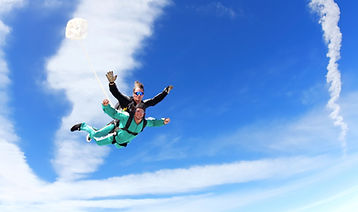
Situational awareness is an active process of scanning your environment for any potential dangers and making a quick plan based on the information you gathered. It is an essential component to self-defense because the earlier you can detect danger (of any sort) the more time you have to respond and stay safe.

Understanding Violence
This is a deep dive into violence at an academic level. We cover categories of violence, violent offenders and their goals, as well as what sections of society are at higher risk for specific forms of violence. Once you arm yourself with knowldge about real world and local violence, you will be more prepared on how best to stay safe.

First Aid and Aftercare
This area covers what can happen after a violent encounter. The immediate includes things like injures on yourself and the assailant, phoning for emergency help, possible legal consequences, and possible long term mental and emotional damage.

Understanding Safety
This covers topics such as where to not go, when to avoid, and whom to avoid. It also covers where to move towards while in danger.

Self Care
We cover topics here that help to improve our own self love. We learn our own habits good and bad, how to regulate our own emotions, and how to remain calm in dire situations.
