


Why Brazilian Jiu Jitsu Isn't Enough for Self-Defense in Halifax and What You Need to Know
- jonowells3
- Mar 29
- 3 min read
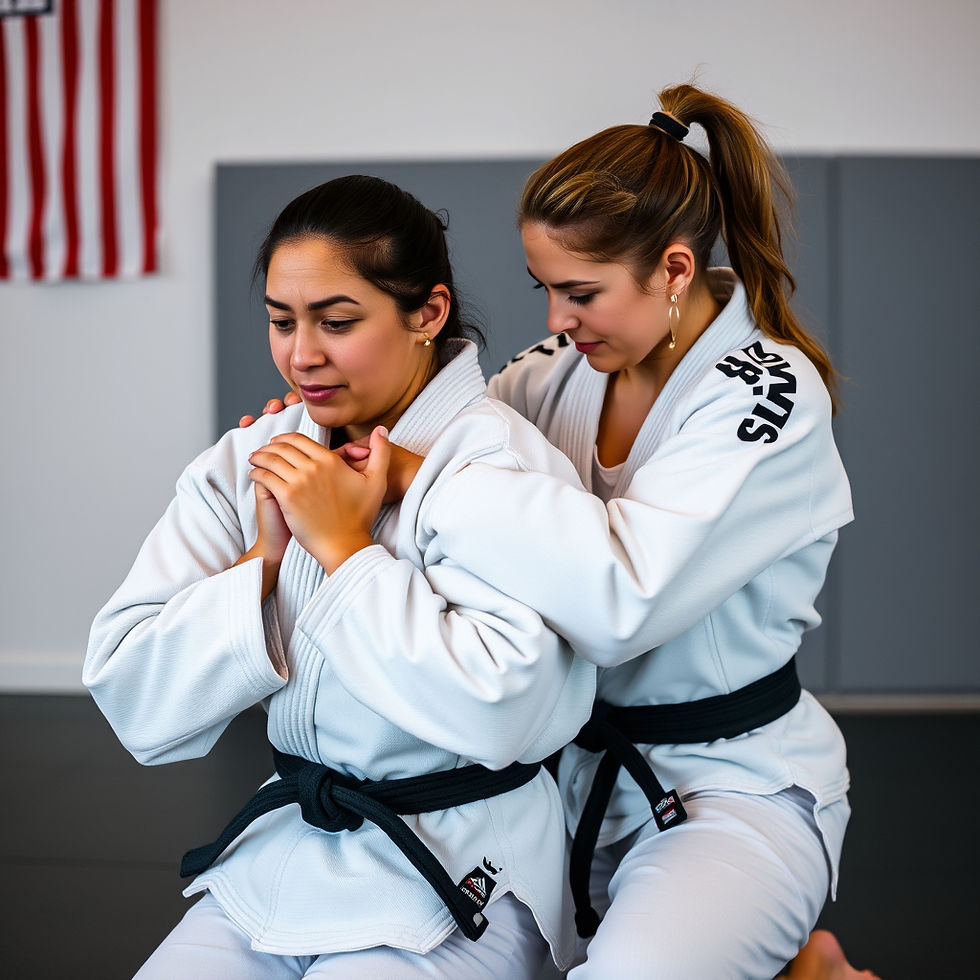
When searching for self-defense options in Halifax or nearby, Brazilian Jiu Jitsu (BJJ) often comes up as a popular choice. Its focus on ground fighting and grappling makes it effective in many situations. Yet, relying solely on BJJ for self-defense can leave you vulnerable in real-world encounters. Understanding the limitations of BJJ and the broader context of self-defense can help you prepare better and stay safer.
The Reality of Multiple Attackers and Weapons
BJJ is designed primarily for one-on-one combat, focusing on controlling or submitting a single opponent on the ground. In a street situation, however, attackers rarely come alone. Facing multiple attackers changes the dynamics completely. Going to the ground with one person can leave you exposed to others nearby.
Weapons add another layer of danger. An assailant might have a knife, a stick, or even a firearm. BJJ does not train extensively for weapon defense, especially when you are on the ground. Being grounded limits your ability to escape or defend against sudden attacks from weapons.
The Skill and Strength Gap
Many people assume that learning BJJ will give them an advantage over any attacker. But the reality is more complex. Your attacker might have years of grappling experience, possibly even more than you. They could be stronger, more flexible, or have better endurance. These physical advantages can quickly turn the tables, even if you know BJJ techniques.
For example, a stronger opponent might overpower your holds or escapes. Someone with better endurance can outlast you in a prolonged struggle. Flexibility can help an attacker avoid submissions or counter your moves. This means that relying only on BJJ techniques without considering these factors can be risky.
The Risk of Being Mistaken as the Aggressor
Another overlooked risk of ground fighting is how bystanders might perceive the situation. If you end up grappling on the ground with someone in public, a passerby might see you as the aggressor. This could lead to unintended consequences, such as someone intervening against you or calling the police.
In Halifax or any urban area, public perception matters. Self-defense is not just about winning a fight but also about avoiding escalation and legal trouble. Staying aware of your surroundings and the social context is crucial.
What the California Study Reveals About Fights Going to the Ground
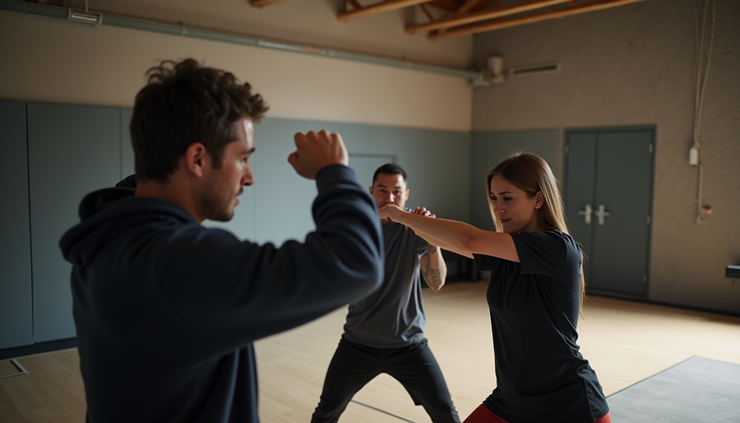
A study conducted in California, mostly involving police encounters, found that most fights do end up on the ground. This supports the idea that ground fighting skills like BJJ are valuable. However, the study also noted that many situations involved the person voluntarily or cooperatively going to the ground to be handcuffed.
This means that going to the ground is not always a sign of winning or controlling the fight. Sometimes, it is a tactical choice to avoid further harm or legal issues. The study highlights that self-defense training should include more than just grappling—it should teach when to engage, when to escape, and how to handle different scenarios.
What You Need to Know Beyond Brazilian Jiu Jitsu
To build a well-rounded self-defense skill set in Halifax, consider these points:
Situational Awareness: Always be aware of your environment, potential threats, and escape routes. Avoid dangerous situations when possible.
Striking Skills: Learn basic striking techniques to defend yourself before a fight goes to the ground.
Weapon Defense: Understand how to react if an attacker has a weapon. This includes disarming techniques and escape strategies.
Multiple Attacker Defense: Practice strategies to handle more than one attacker, focusing on quick escapes rather than prolonged fights.
Legal Knowledge: Know your rights and the laws around self-defense in Halifax. This helps avoid legal trouble after an incident.
Physical Conditioning: Build strength, endurance, and flexibility to improve your chances in any physical confrontation.
Combining BJJ with these skills creates a more effective and realistic self-defense approach.
Finding the Right Self-Defense Training in Halifax
If you are searching for self-defense classes near you, look for programs that offer a mix of techniques. Many gyms in Halifax provide courses that combine BJJ with striking arts like Muay Thai or boxing, as well as situational awareness and weapon defense.
Ask about the curriculum and whether it covers multiple attacker scenarios and legal aspects. A good self-defense program prepares you for real-life situations, not just sport competition.
Building confidence and safety in Halifax means understanding the limits of any single martial art. Brazilian Jiu Jitsu is a powerful tool but should be part of a broader self-defense strategy. By combining grappling skills with awareness, striking, and practical knowledge, you can better protect yourself in unpredictable situations.

Comments