

The Importance of Controlling the Clinch in Self-Defense and MMA for Safety in Nova Scotia
- jonowells3
- Apr 21
- 4 min read
When faced with a physical threat, the ability to control the clinch or standing grappling range can make the difference between safety and harm. This close-quarters fighting range is where many real-life confrontations happen, whether on the streets of Halifax, Bedford, Dartmouth, or Sackville. Understanding how to manage this space is crucial for both self-defense and mixed martial arts (MMA) practitioners. This post explores why controlling the clinch matters, how martial arts like wrestling, judo, and Muay Thai improve these skills, and why weapon control and takedown ability are essential for personal safety in Nova Scotia.
Why Controlling the Clinch Matters in Self-Defense and MMA
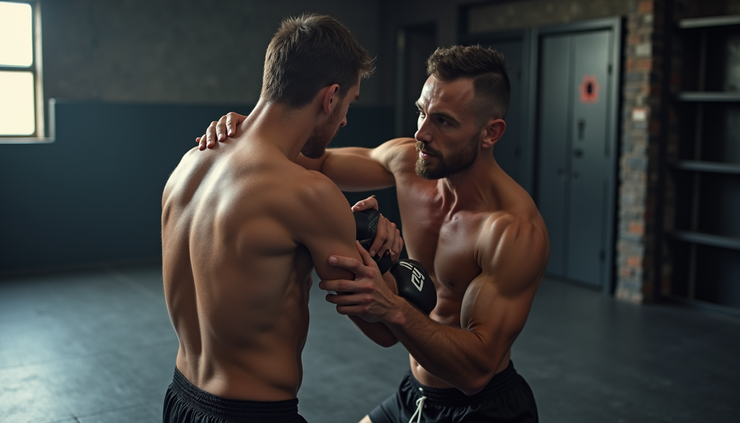
The clinch is the space where opponents are close enough to grab, control, and manipulate each other’s bodies. In self-defense situations, attackers often try to close the distance quickly to limit your ability to strike or escape. If you can control the clinch, you can dictate the pace and outcome of the encounter.
In MMA, fighters use clinch control to wear down opponents, set up strikes, or execute takedowns. In real-world self-defense, controlling the clinch can prevent an attacker from landing damaging blows or using weapons. For example, a Halifax resident who successfully defended themselves during a late-night assault credited their ability to control the clinch with preventing the attacker from pulling out a knife.
Controlling this range means:
Limiting the attacker’s movement
Reducing their striking power
Creating opportunities to escape or neutralize the threat
How Wrestling, Judo, and Muay Thai Improve Clinch Skills
Several martial arts specialize in standing grappling and clinch control, each offering unique benefits:
Wrestling
Wrestling teaches balance, body positioning, and takedown techniques. It focuses on controlling an opponent’s hips and legs, which is vital for preventing escapes or attacks. Wrestlers learn to use leverage and angles to off-balance opponents, skills that translate well to self-defense.
In Nova Scotia, wrestling clubs in Bedford and Dartmouth have helped many young athletes develop these skills, which they later applied in real-life situations to protect themselves or others.
Judo
Judo emphasizes throws and trips from the clinch, teaching practitioners how to use an attacker’s force against them. Learning judo can help you quickly bring an aggressor to the ground, creating a chance to escape or gain control.
A notable example comes from Sackville, where a judo practitioner used a well-timed throw to stop an attempted robbery, allowing them to get away unharmed.
Muay Thai
Muay Thai is known for its devastating clinch strikes, including knees and elbows. It also teaches how to control an opponent’s head and arms, which can limit their ability to strike or grab weapons.
In Halifax’s martial arts gyms, Muay Thai training is popular for building strong clinch control and close-range striking, skills that are practical for street defense.

The Role of Weapon Control in Close Proximity
Close-range encounters can involve weapons such as knives, blunt objects, or even firearms. Controlling the clinch extends beyond body control to managing these threats. Being able to control or redirect a weapon can save your life.
Training in arts like Filipino Kali or Krav Maga, which focus on weapon defense, complements clinch skills by teaching how to:
Disarm or control knives
Redirect blunt force weapons
Manage firearm threats through redirection
In Nova Scotia, law enforcement and self-defense instructors emphasize weapon control during close encounters. For example, a Dartmouth resident credited their training in weapon defense and clinch control for escaping a dangerous situation involving a knife attack.
The Importance of Making Someone Fall to Escape
One of the most practical reasons to control the clinch is to bring an attacker to the ground safely. Making someone fall disrupts their balance and gives you a critical moment to escape.
Takedowns and throws learned through wrestling and judo are effective tools for this. Once the attacker is on the ground, they are less able to continue their assault, and you can create distance or call for help.
In Halifax, self-defense workshops often highlight the importance of takedowns for escape. Stories from local participants show how these skills helped them avoid serious injury during confrontations.
Practical Tips for Improving Clinch Control in Nova Scotia
Join local clubs: Bedford, Dartmouth, Sackville, and Halifax have wrestling, judo, and Muay Thai gyms where you can train regularly.
Focus on balance and posture: Good posture helps prevent being controlled or taken down.
Practice weapon defense: Seek classes that include knife and blunt weapon control.
Drill takedowns and escapes: Repetition builds muscle memory for real situations.
Stay aware of your surroundings: Clinch control is only part of self-defense; situational awareness is key.
Learning to control the clinch and standing grappling range is a powerful skill set for anyone concerned about personal safety in Nova Scotia. Whether you live in the urban areas of Halifax or the quieter communities of Sackville and Bedford, these skills can help you protect yourself and others. Combining wrestling, judo, and Muay Thai with weapon control training creates a well-rounded defense strategy that prepares you for close-range threats.

Comments